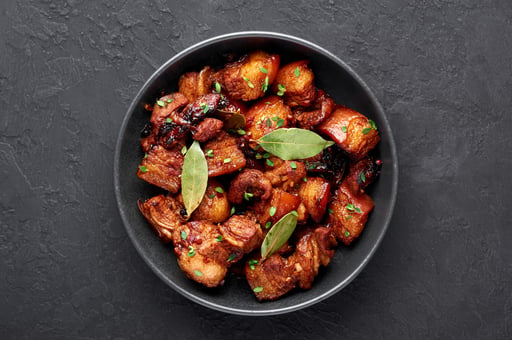

Maillard Reaction
Browning that occurs rapidly at high heat and develops complex flavors.
What are the fundamentals of the Maillard Reaction?
The Maillard Reaction is a complex chemical process that occurs when amino acids (building blocks of proteins) and sugars react under heat, leading to the browning and development of flavors in various foods.
Because the Maillard Reaction happens rapidly at temperatures north of 350°F/176°C, it occurs most often in hot and fast cooking techniques, like or , where moisture can quickly .
based techniques like or can’t brown foods because their lower temperatures environments prevent the Maillard Reaction from occurring.
Note: The Maillard Reaction is distinct from , which can occur without proteins. Often, both of these processes happen simultaneously (such as in baked goods, where sugars but also gluten proteins are present).
➡️ Catalyst: High heat
🛠️ Relevant techniques:
🔬 Relevant molecules:
Example foods
Crusty dark sourdough loaf
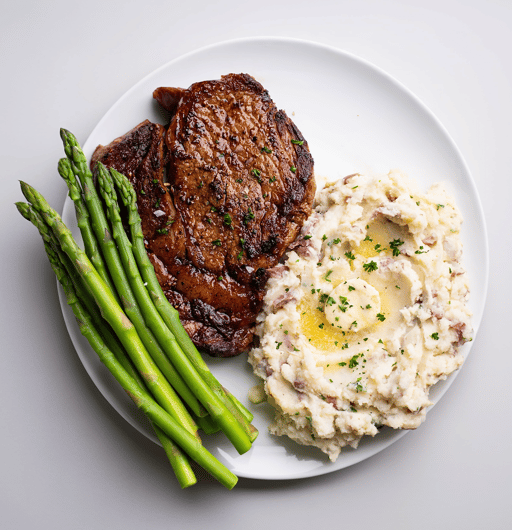
Pan seared steak
Toasted nuts
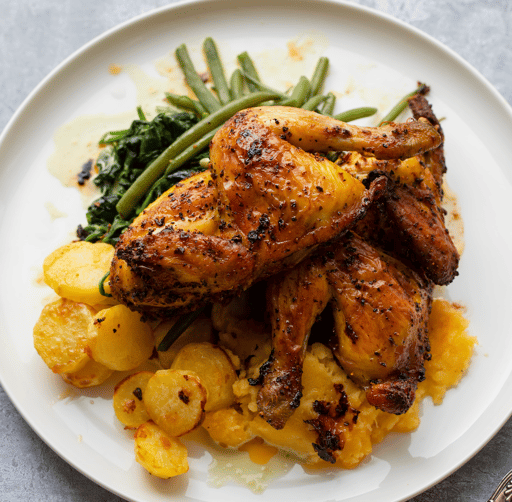
Grilled meats
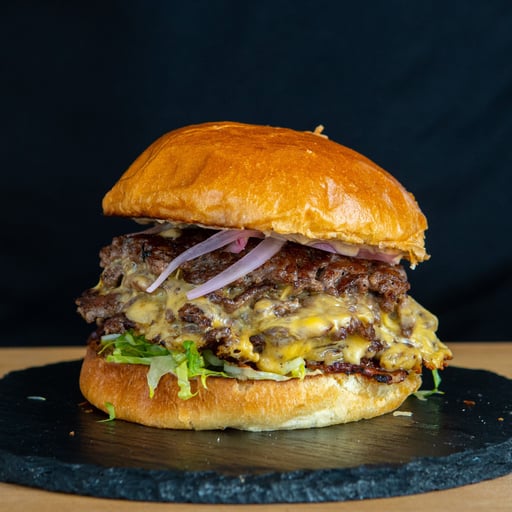
Smashburgers
How does the Maillard Reaction affect the elements of flavor?
In order of importance:
— The Maillard Reaction creates hundreds of new aroma compounds, leading to complex smells and thus increased flavor.
— While the Maillard Reaction mostly creates new aromas, it can change amino acid compositions in a way that also creates new tastes, such as a concentration of umami.
— Because the Maillard Reaction usually happens at temperatures that evaporate water and dehydrate the surface of foods, it often results in a crispy texture.
— There is a reason the phrase “golden brown & delicious” exists. We’ve come to associate the browned color of the Maillard Reaction with especially tasty foods.
— Because you can easily control the Maillard Reaction with temperature and time, you can dial in the color of a dish to your desired browning levels. Usually, a deep golden brown color is appetizing. But in some cases, you might want to avoid the Maillard Reaction for aesthetic reasons. In a bechamel sauce, you want to stop cooking the roux before any browning happens to preserve the white creaminess of the sauce.
— The smell or taste of a well-browned piece of food may cause you to salivate.